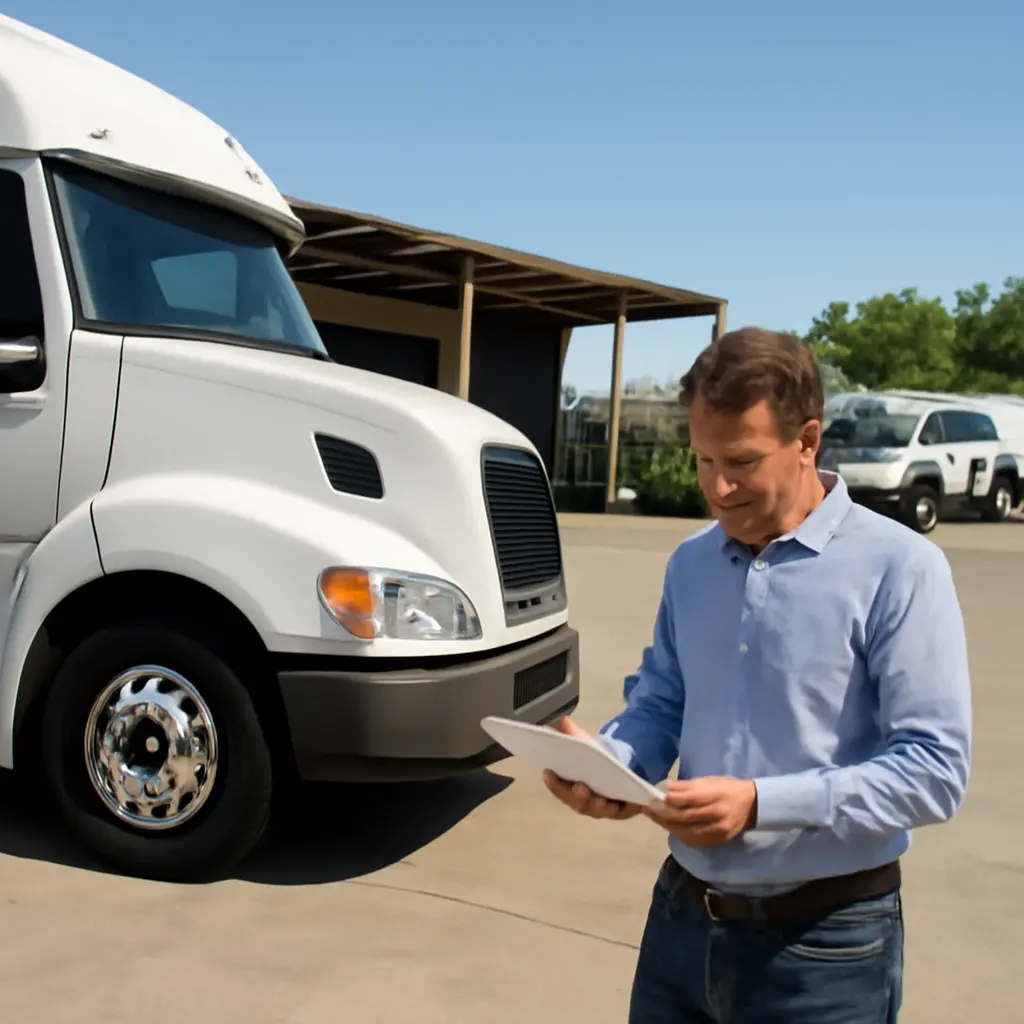
Major fleet collision settlements are negotiated resolutions of claims arising from crashes involving multiple vehicles operated by a company, public agency, or other fleet owner. Their dollar amounts can reflect far more than vehicle damage: injury severity, insurance limits, evidence quality, safety practices, and the number of parties all shape outcomes. Federal data show that 5,472 large trucks were involved in fatal crashes in 2023, while the National Safety Council estimates that motor-vehicle crashes cost employers billions of dollars annually. Looking behind settlement figures reveals how liability is established, why settlements vary, what landmark cases teach, and how fleet operators can reduce both collision risk and financial exposure.
Fleet Collision Settlements and Their Liability Structure
A fleet collision settlement is an agreement resolving some or all legal claims connected with a crash involving vehicles operated for business or public service. It may compensate injured people, resolve property-loss claims, and allocate responsibility among drivers, employers, vehicle owners, insurers, and other parties. The American Bar Association describes settlement generally as a negotiated resolution that avoids continued litigation; in fleet cases, the investigation often centers on both the driver’s conduct and the organization’s systems.
“Fleet collision settlement” is not a single legal category or standard payment formula. Related forms include bodily-injury settlements, wrongful-death resolutions, property-damage payments, product-liability agreements, and contribution or indemnity arrangements between defendants. A settlement may resolve claims without an admission of fault, and publicly reported figures can omit confidential terms, insurance contributions, or liens.
Vicarious liability and direct employer responsibility
Vicarious liability is the principle that an employer may be held responsible for an employee’s negligent conduct performed within the scope of employment. Separately, a fleet owner may face direct-negligence claims alleging its own failures—for example, inadequate driver screening, training, supervision, vehicle maintenance, or safety policies. The distinction matters: a company can dispute whether a driver was acting within job duties while still having to answer allegations about its own practices.
The Federal Motor Carrier Safety Administration (FMCSA) reported that large trucks were involved in 5,472 fatal crashes in 2023. That figure describes crash involvement, not fault, and should not be read as proof that a truck driver or carrier caused each collision. It does, however, show why investigators examine operational records alongside the crash scene.
Insurance layers and settlement capacity
Commercial fleets may rely on primary auto-liability coverage, excess or umbrella policies, self-insured retentions, and—in some cases—self-insurance. Available coverage can influence negotiations, but it does not determine the value of a claim by itself. Damages, liability evidence, policy terms, exclusions, and the financial capacity of the parties also matter. For interstate motor carriers, federal rules set minimum financial-responsibility requirements that vary by the type of operation and cargo; these minimums are not a prediction of what a serious injury claim will settle for.
Evidence and Negotiation Shape Fleet Collision Settlements
Settlement value is usually shaped by the interaction of liability, damages, and proof. The National Highway Traffic Safety Administration (NHTSA) identifies human, vehicle, and environmental factors in roadway safety; collision investigations similarly consider driver actions, vehicle condition, roadway design, weather, and traffic. The strongest negotiations connect reliable evidence to specific legal duties and documented losses, rather than relying on a headline number alone.
Crash reconstruction and electronic records
Crash reconstruction uses physical evidence and technical analysis to evaluate vehicle movement, impact sequence, speed, and visibility. In fleet matters, relevant material may include event-data-recorder information, telematics, dash-camera footage, dispatch messages, GPS records, driver logs, inspection reports, maintenance files, and employment records. Electronic evidence can be overwritten or lost, so prompt preservation requests and litigation holds are often important.
Federal commercial-driver hours-of-service rules limit driving time and require rest periods, with specific provisions depending on the operation. Electronic logging devices generally record driving time for covered drivers, but a log entry alone does not establish fatigue or causation. Investigators compare it with dispatch schedules, route data, fuel and toll records, communications, and other evidence.
Damages, medical documentation, and liens
Damages are the losses a claimant seeks to recover. They can include medical expenses, lost earnings, reduced future earning capacity, property damage, and—in jurisdictions that allow them—pain and suffering or other non-economic losses. Fatal-crash claims may involve wrongful-death and survivor claims under applicable state law. Medical records, expert opinions, employment information, and repair or replacement estimates help substantiate the claimed amount.
A settlement’s gross figure is not necessarily the amount a claimant receives. Attorney fees, case expenses, health-insurance or government-benefit reimbursement claims, and other liens may be deducted or negotiated. State law, policy language, and the facts of the case determine how these obligations are handled.
Comparative fault and multiple defendants
Comparative-fault rules allocate responsibility among parties and can reduce or, in some jurisdictions, bar a claimant’s recovery depending on the assigned share and governing law. A collision involving a fleet vehicle may also implicate a vehicle manufacturer, maintenance contractor, cargo loader, road authority, or another driver. Multi-party negotiations can therefore involve cross-claims, contribution demands, and agreements that resolve one defendant’s exposure without ending the entire case.
What Major Fleet Collision Cases Reveal
Large settlements and verdicts attract attention, but reported outcomes are not reliable price tags for other crashes. They may involve unusual injuries, disputed liability, extensive discovery, punitive-damage claims, or confidential terms. The cases are most useful for showing how safety systems and organizational conduct can become central evidence.
The 2014 Walmart truck crash involving comedian Tracy Morgan
In 2014, a Walmart tractor-trailer struck a limousine van carrying Tracy Morgan and others on the New Jersey Turnpike, killing comedian James McNair and injuring passengers. The National Transportation Safety Board (NTSB) investigated and found that the truck driver had been awake for more than 28 hours before the crash; it also identified inadequate fatigue management and the driver’s speeding as factors. Walmart later announced a confidential settlement with Morgan and the other injured parties, while McNair’s family separately reached a settlement.
The case illustrates why a fleet investigation may extend beyond the immediate driving error to scheduling, fatigue controls, supervision, and safety culture. Because the settlement terms were confidential, public reporting does not provide a complete accounting of the amounts, insurance contributions, or allocation among claims.
The 2016 Tesla Autopilot crash and organizational questions
A 2016 crash in Florida involving a Tesla Model S operating with Autopilot resulted in the driver’s death. The NTSB concluded that the driver’s inattention and overreliance on automation contributed, while also identifying limitations in the vehicle’s safeguards and the driver’s use of the system. Although this was not a conventional commercial-fleet settlement, it offers a relevant lesson for fleets adopting driver-assistance technology: responsibility analysis can encompass user behavior, system design, training, monitoring, and the limits of automation.
Why public settlement figures can mislead
A reported settlement may combine several claimants, include only one defendant’s contribution, or reflect a confidential agreement described through court filings or news reports. A verdict is different from a settlement: it is a decision by a judge or jury and may be reduced, appealed, or resolved afterward. Comparing cases responsibly requires checking the jurisdiction, injury profile, liability findings, number of claimants, date, and whether the figure is a final gross amount or merely a reported estimate.
Fleet Safety Practices Can Reduce Collision and Settlement Risk
Settlement analysis points toward prevention: organizations that identify hazards, document compliance, and correct unsafe practices are better positioned to reduce crashes and respond accurately when one occurs. The National Safety Council’s workplace-safety materials emphasize that motor-vehicle crashes impose substantial costs on employers, including medical, property, legal, and productivity losses. Prevention is therefore both a public-safety priority and a business-risk strategy.
Driver qualification, training, and fatigue controls
A defensible fleet-safety program verifies qualifications, provides role-specific training, monitors driving behavior, and gives drivers a practical way to report fatigue or hazards without pressure to continue unsafe work. For regulated carriers, FMCSA qualification and hours-of-service requirements provide a baseline; employers should also examine whether dispatch expectations, incentive systems, or scheduling practices undermine safe compliance.
Maintenance, telematics, and corrective action
Preventive maintenance, documented inspections, timely defect repairs, and review of telematics alerts can identify risks before they lead to a collision. Technology is useful only when alerts lead to proportionate investigation and corrective action. A speed or harsh-braking flag, for example, needs context and consistent follow-up rather than automatic assumptions about fault.
Post-crash response and evidence preservation
After a serious crash, fleets should prioritize emergency assistance, comply with reporting duties, preserve relevant physical and electronic evidence, and avoid altering records. A clear response protocol can include securing vehicle data, retaining video, documenting maintenance and dispatch records, identifying witnesses, and coordinating with insurers and counsel. Accurate, timely records support both a fair investigation and a more informed settlement process.
Conclusion: Settlements Reveal More Than a Dollar Amount
Major fleet collision settlements reflect the combined effects of liability rules, insurance structure, evidence, injury severity, and negotiation—not a universal formula. Federal crash statistics establish the scale of serious truck-involved collisions, while cases such as the Walmart crash show why investigators examine fatigue management and employer practices as well as driver conduct. Evidence preservation, fair damages analysis, and attention to comparative fault help explain how claims are resolved; robust training, maintenance, and safety oversight can reduce the chance of collision in the first place.
Fleet operators should review their safety policies, insurance arrangements, record-retention procedures, and post-crash plans with qualified safety and legal professionals. Readers seeking deeper context can consult FMCSA crash and compliance resources, NTSB investigation reports, and state-specific guidance on liability and settlement law.
Sources: Federal Motor Carrier Safety Administration, Large Truck and Bus Crash Facts 2023, https://www.fmcsa.dot.gov/safety/data-and-statistics/large-truck-and-bus-crash-facts-2023; National Safety Council, Work Injury Costs, https://injuryfacts.nsc.org/work/costs/work-injury-costs/; American Bar Association, Litigation and Dispute Resolution resources, https://www.americanbar.org/groups/litigation/; Federal Motor Carrier Safety Administration, Hours of Service, https://www.fmcsa.dot.gov/regulations/hours-service; Federal Motor Carrier Safety Administration, Electronic Logging Devices, https://www.fmcsa.dot.gov/hours-service/elds/electronic-logging-devices; National Transportation Safety Board, Walmart Truck-Tractor Semitrailer Rear-End Collision into Limousine Van, https://www.ntsb.gov/investigations/AccidentReports/Reports/HAR1502.pdf; National Transportation Safety Board, Collision Between a Car Operating with Automated Vehicle Control Systems and a Tractor-Semitrailer Truck, https://www.ntsb.gov/investigations/AccidentReports/Reports/HAR1702.pdf; National Highway Traffic Safety Administration, Traffic Safety Facts, https://www.nhtsa.gov/research-data/traffic-safety-facts.